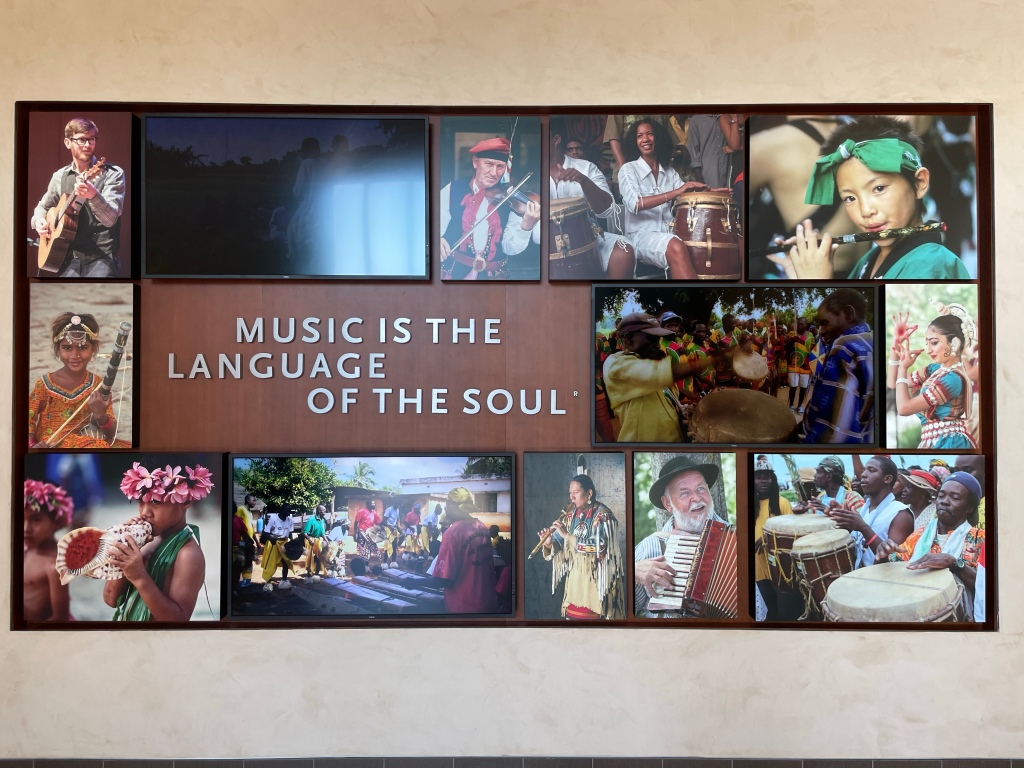
After almost ten months living in the Phoenix area, my wife and I had a chance to visit the Musical Instrument Museum (MIM). As presented in its website, MIM began with a vision to create a musical instrument museum that would be truly global, which I think they have really accomplished. MIM’s founder Bob Ulrich (then CEO of Target Corporation) was inspired to develop a new kind of museum that would focus on the kind of instruments played every day by people worldwide.
A focus on the guest experience shapes every aspect of the museum’s experience. The museum truly delivers a musical experience that is enriching, inspiring, interesting, and fun. It has a collection of more than 8,000 instruments from more than 200 countries worldwide. The galleries reflect the rich diversity and history of many world cultures, and the music and instruments also show what all cultures have in common—a thought powerfully expressed in the museum’s motto, ‘music is the language of the soul.’
After spending all day at the museum, we were just able to go through the current special exhibition, the Asia and the Latin America sections. So some photos and highlights about them are presented below. We decided to get the yearly membership since we’ll definitely return at least a couple of times in the near future to go through the rest of it.
Special exhibition: Treasures – Legendary Musical Instruments
This exhibition focuses on the exceptional qualities of some of the world’s most treasured instruments. The examples on display offer
a rare and unforgettable opportunity to learn how people from around the globe have elevated the importance of music in their lives for thousands of years.
As presented at the exhibition’s entrance, “each of the instruments presented transcends a strictly musical role. They are vivid illustrations of artistic vision, dignified and sacred performance settings, the sharing and advancement of innovative ideas, and uncompromising pursuit of ever-higher standards of excellence. Many are astonishing historic artifacts that shed light on cultures of past generations. Remarkably, despite their age, others remain preferred instruments for today’s premier artists seeking the ultimate in musical expression.”
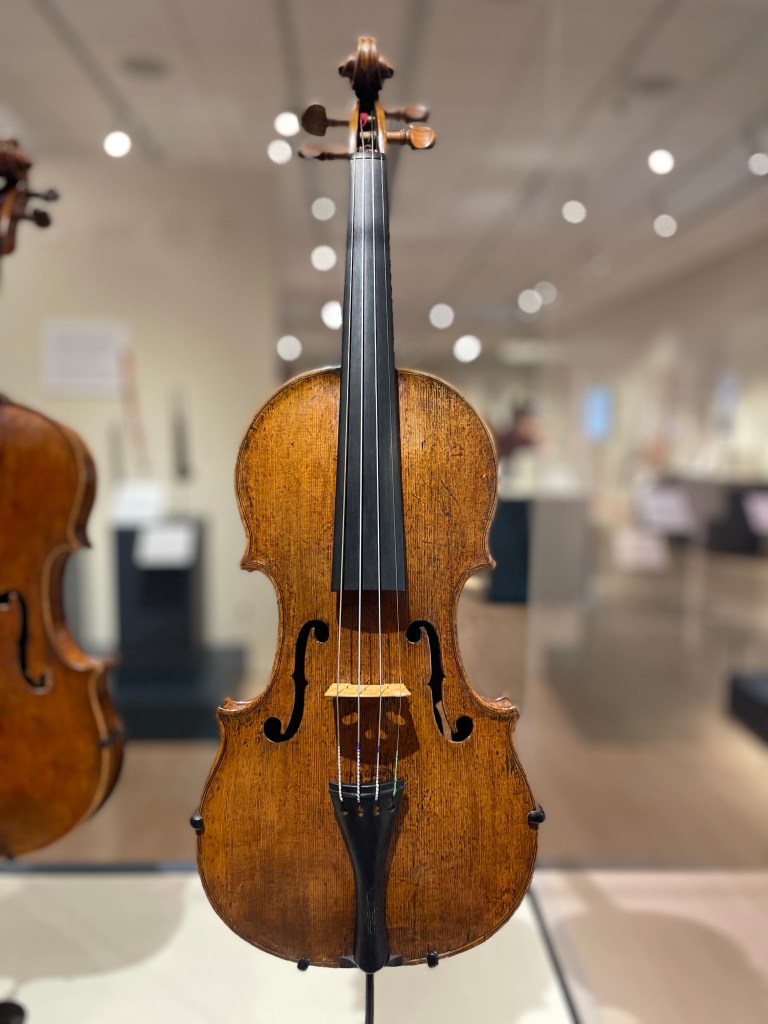
Lisbon, Portugal, C. 1590
Spruce, rosewood, ebony, ivory, whalebone, parchment, gut.
Belchior Dias, maker.

Japan, Edo period, 1603-1868.
Bamboo, lacquer, elephant ivory, sea turtle shell.
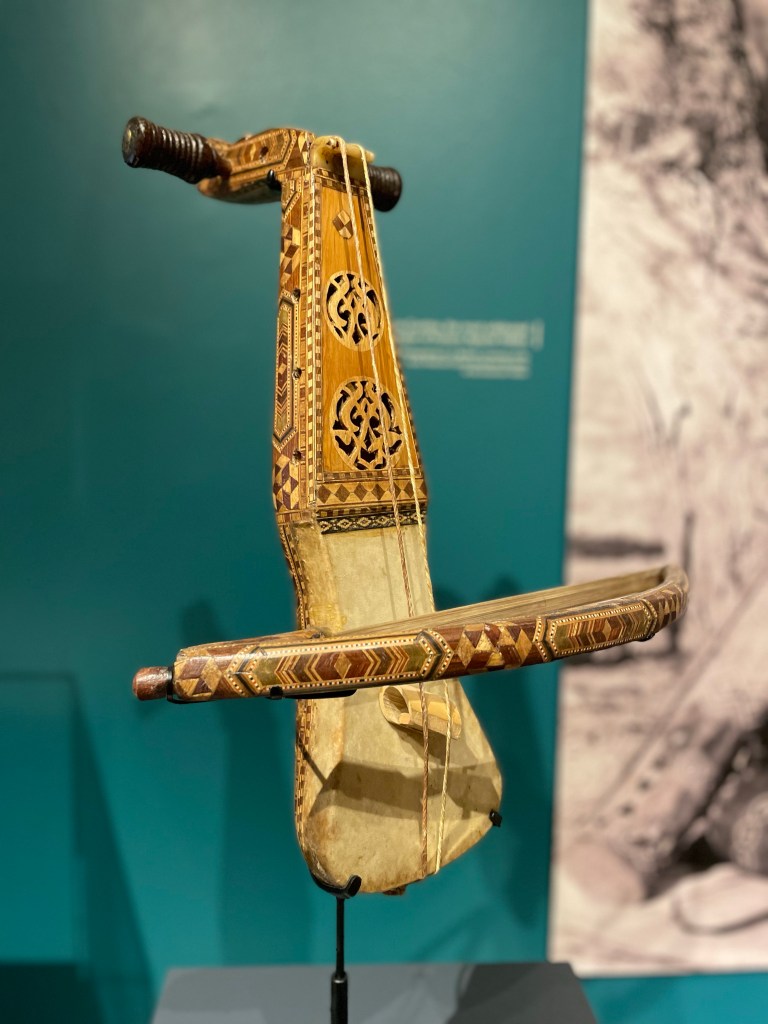
Morocco, mid-1900s
Walnut, cedar, lemon, ebony, thuya, and beech woods; goatskin; cane.

Madrid, Spain, 1972
Spruce, rosewood, ebony, cedar.
Paulino Bernabé Sr., maker.

Mapuche people, Chile, c. 1910.
Patagonian oak, horse skin, dye.
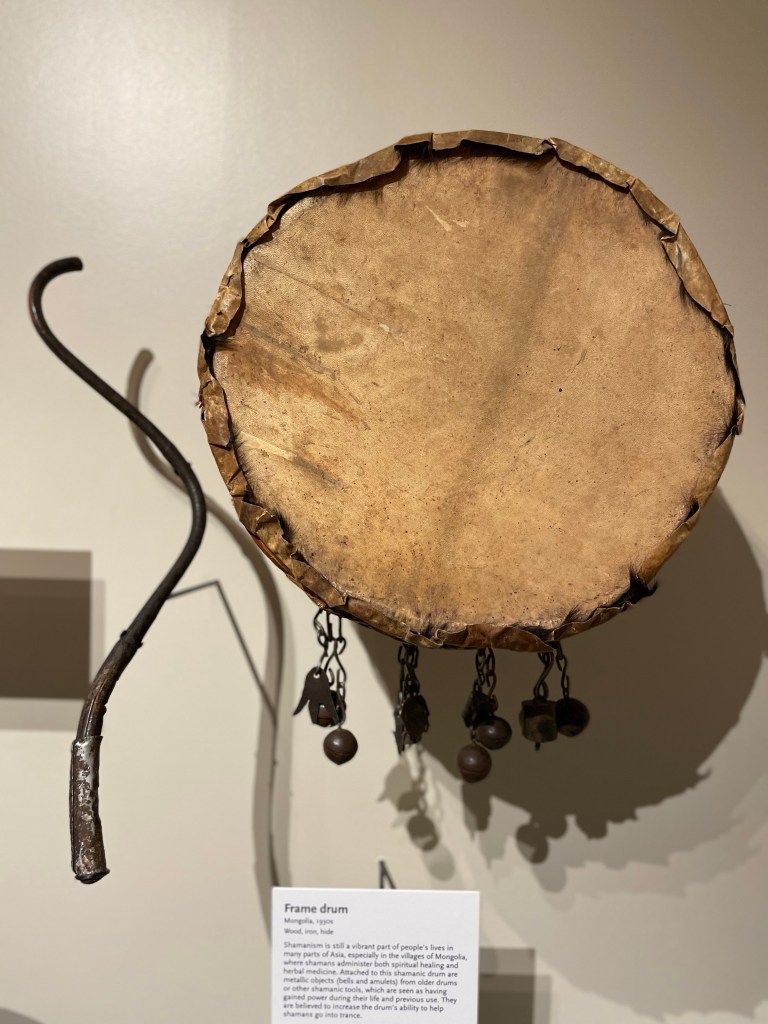
Mongolia, 1930s.
Wood, iron, hide.

Hollywood, California, USA, 1968.
Wood, metal.
Acoustic Control Corporation, maker.
Asia.
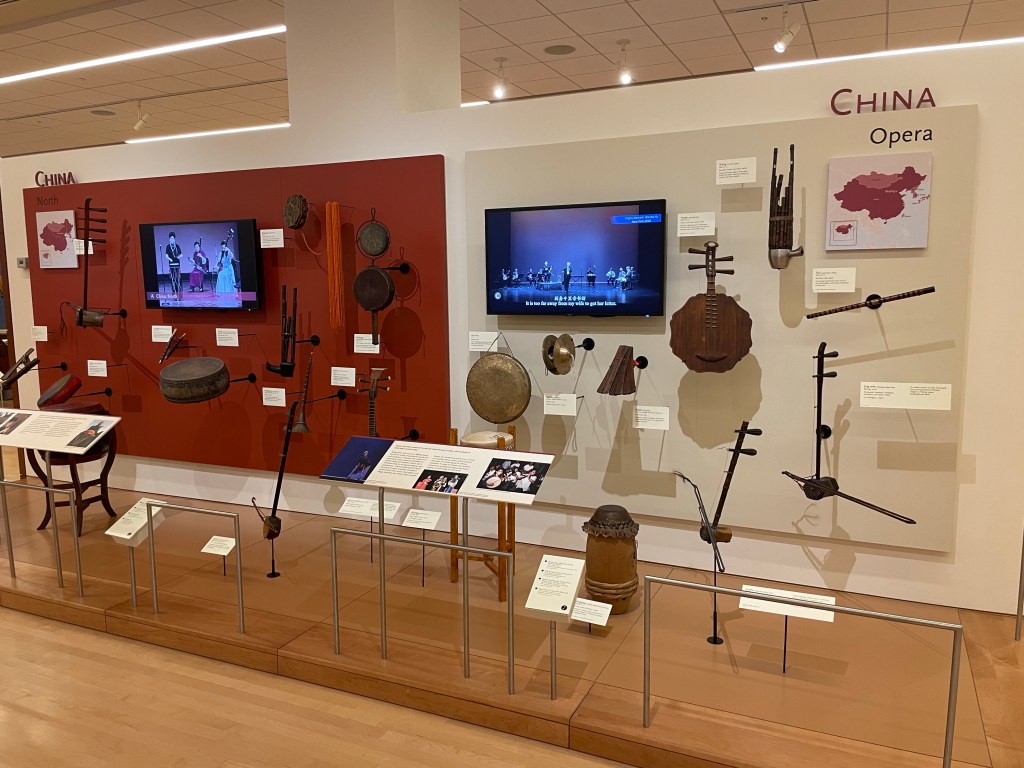
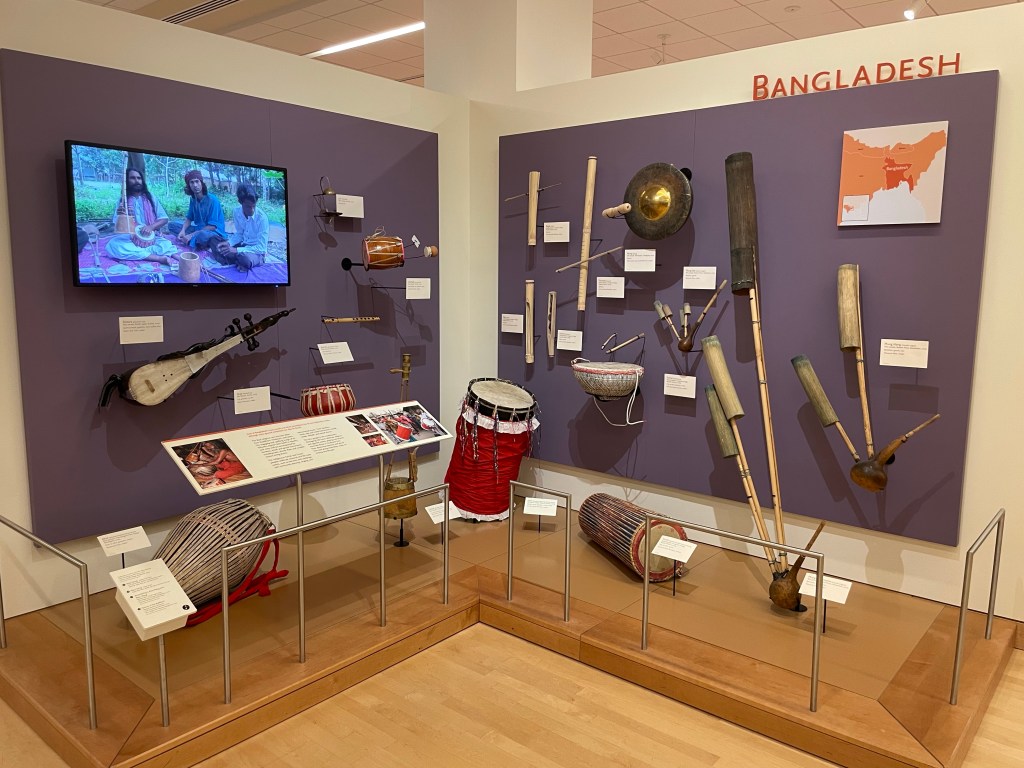
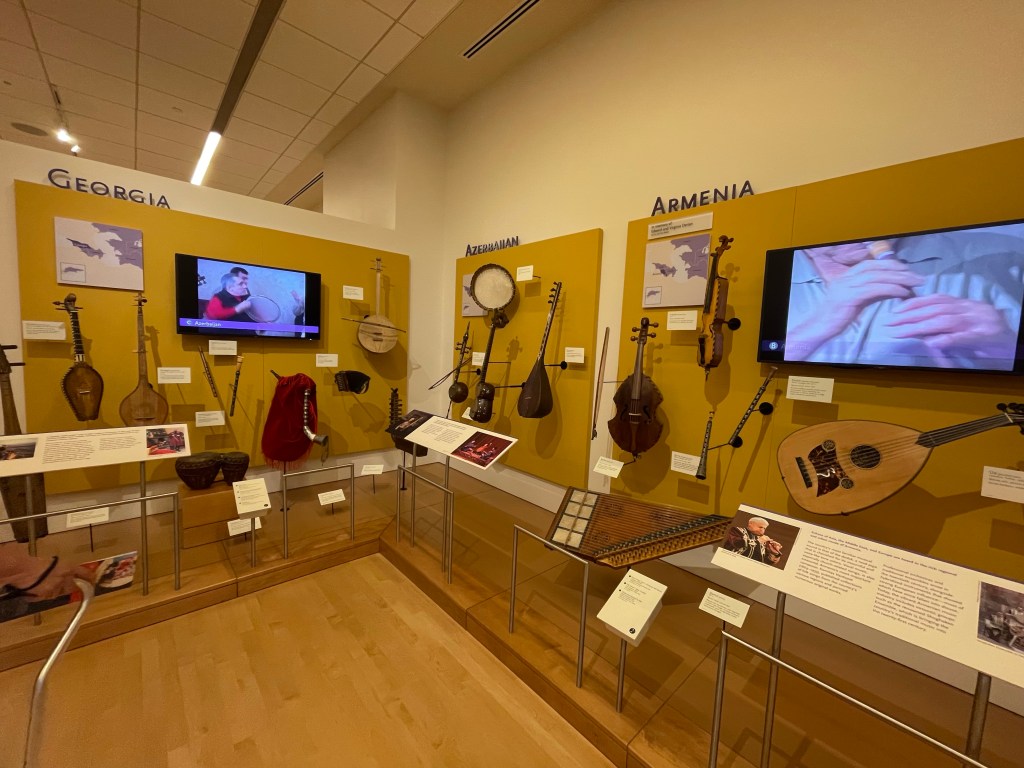
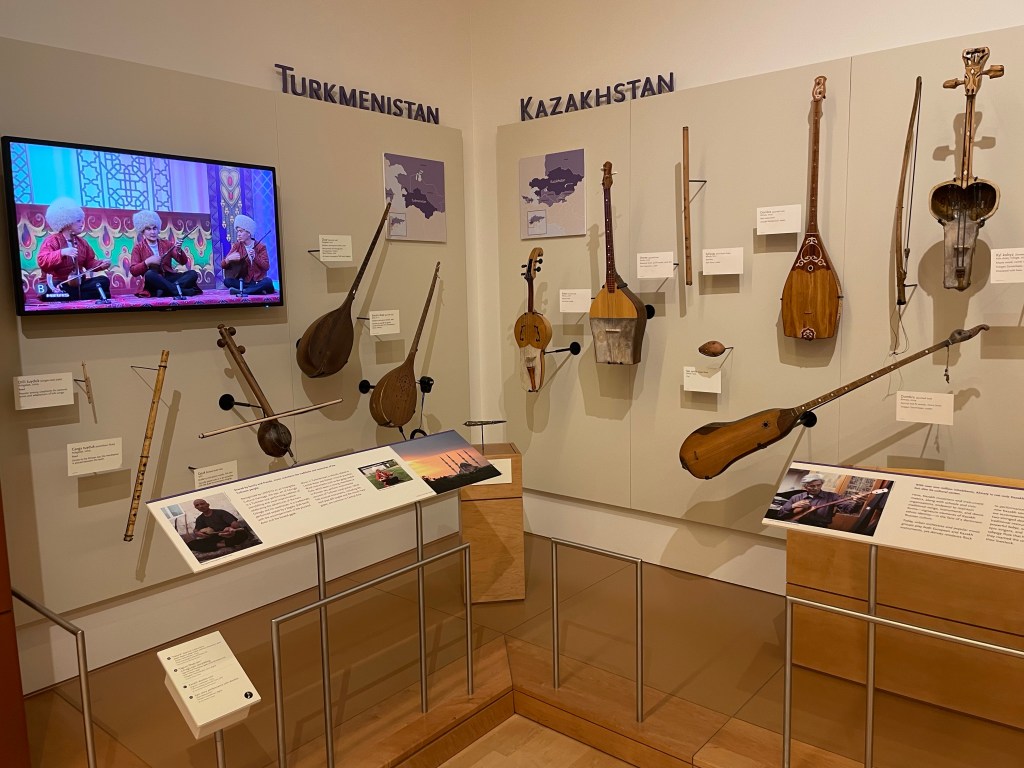
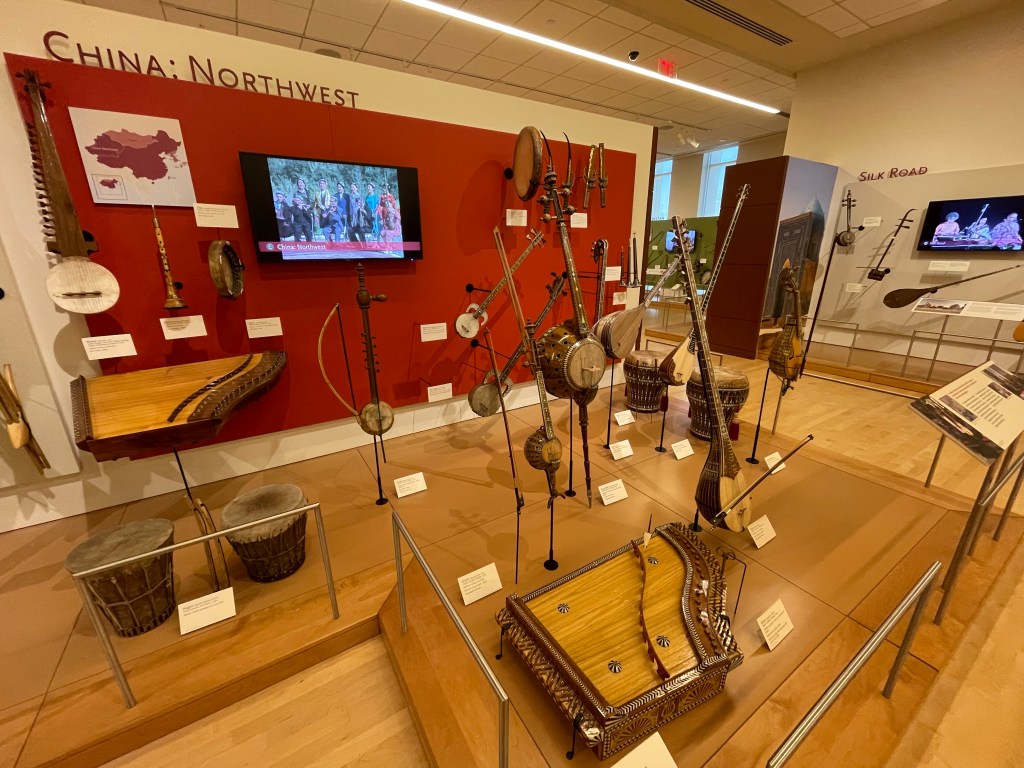
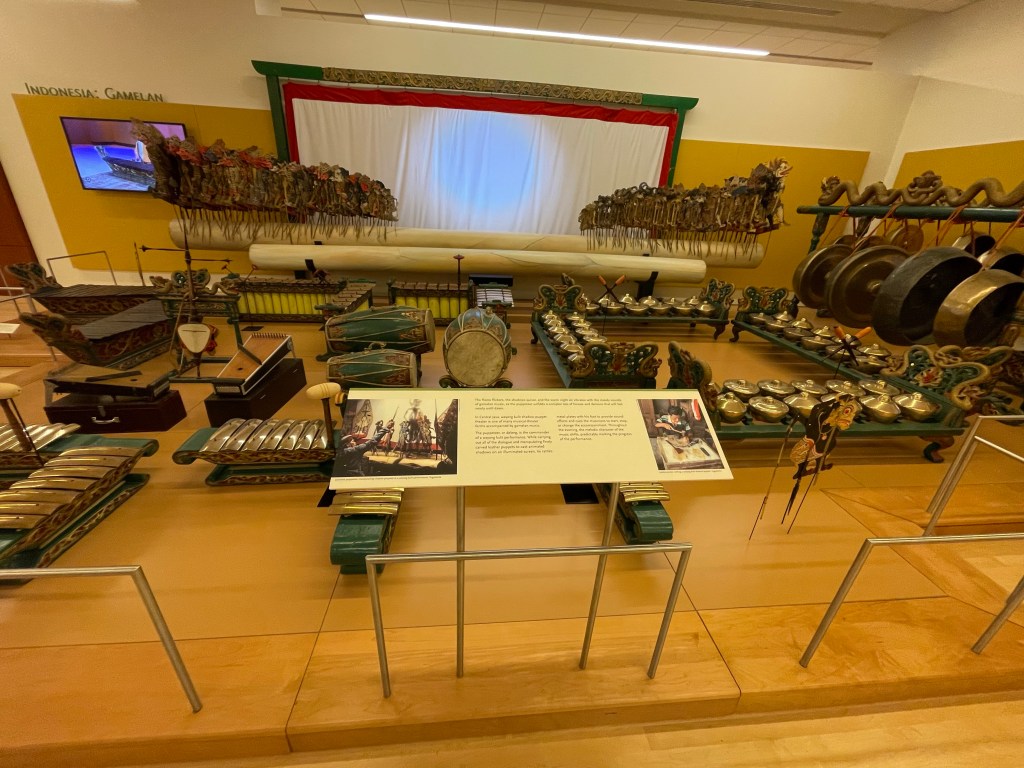
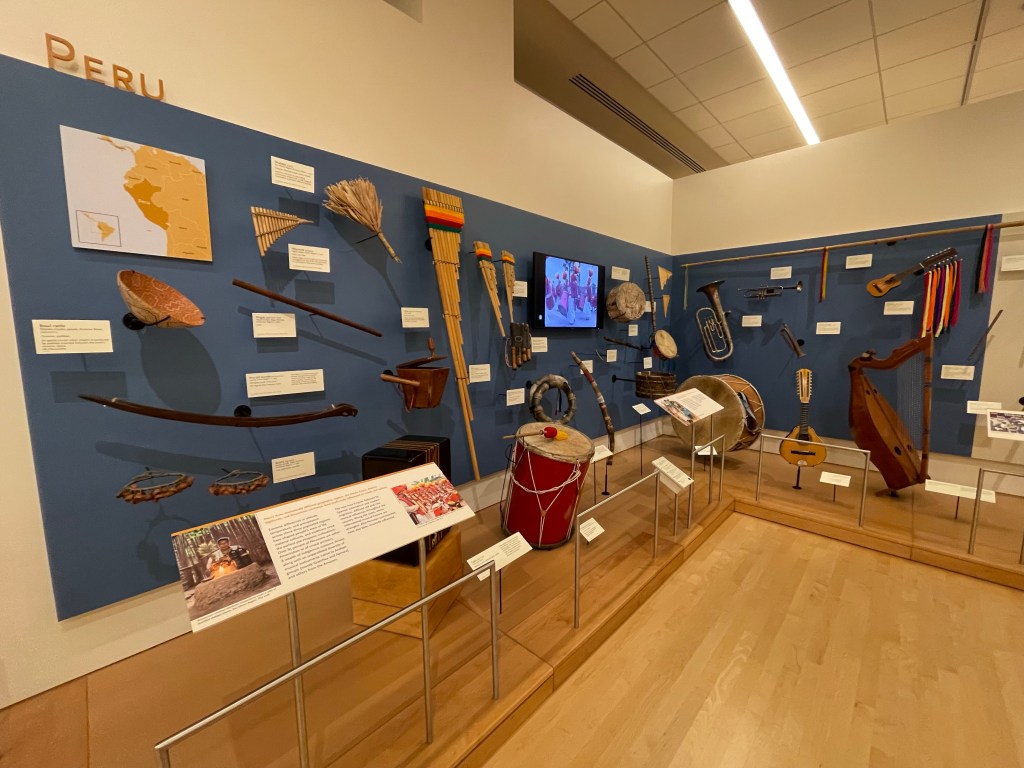
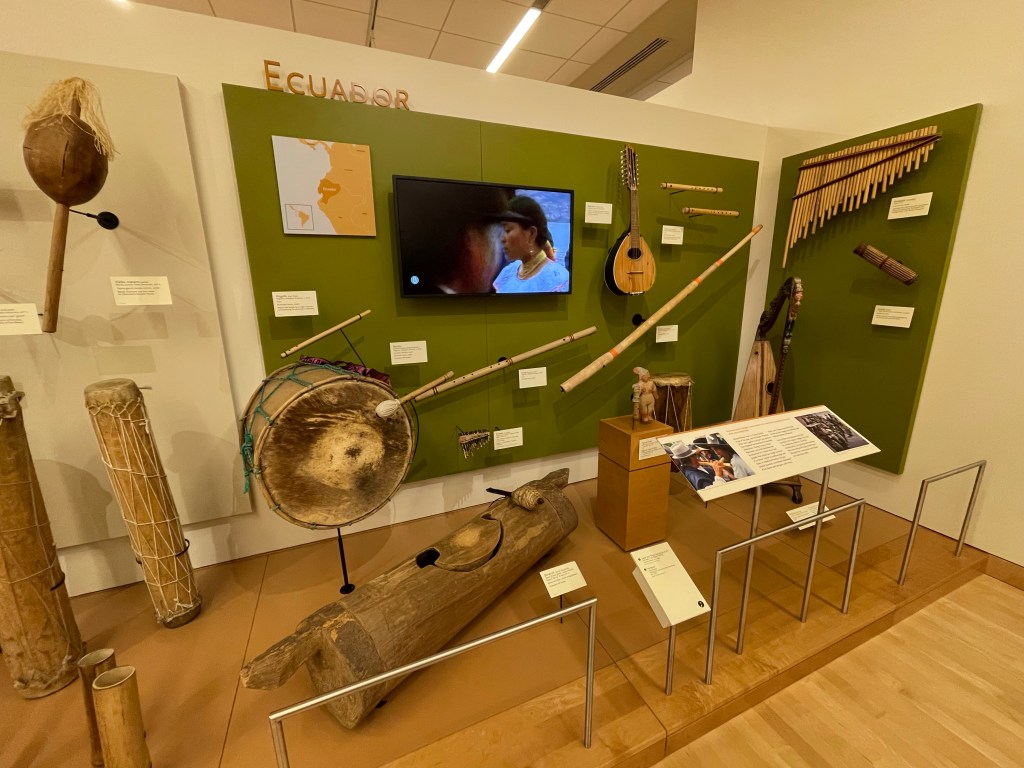
The images below present some of the exhibitions in the Asia and Latin America sections. The most impressive part is that, as you walk through such sections, the headphones provided by the museum switch automatically to the sound presented in the screens of the country you are approaching to. That is very engaging and illustrative.





Latin America.
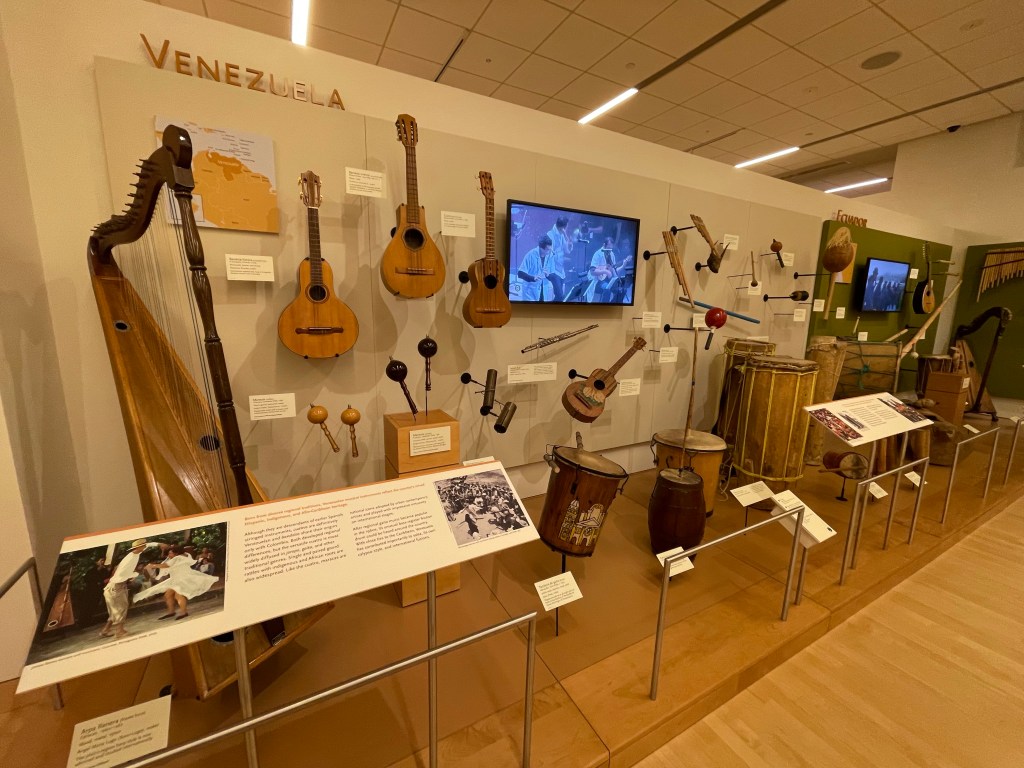

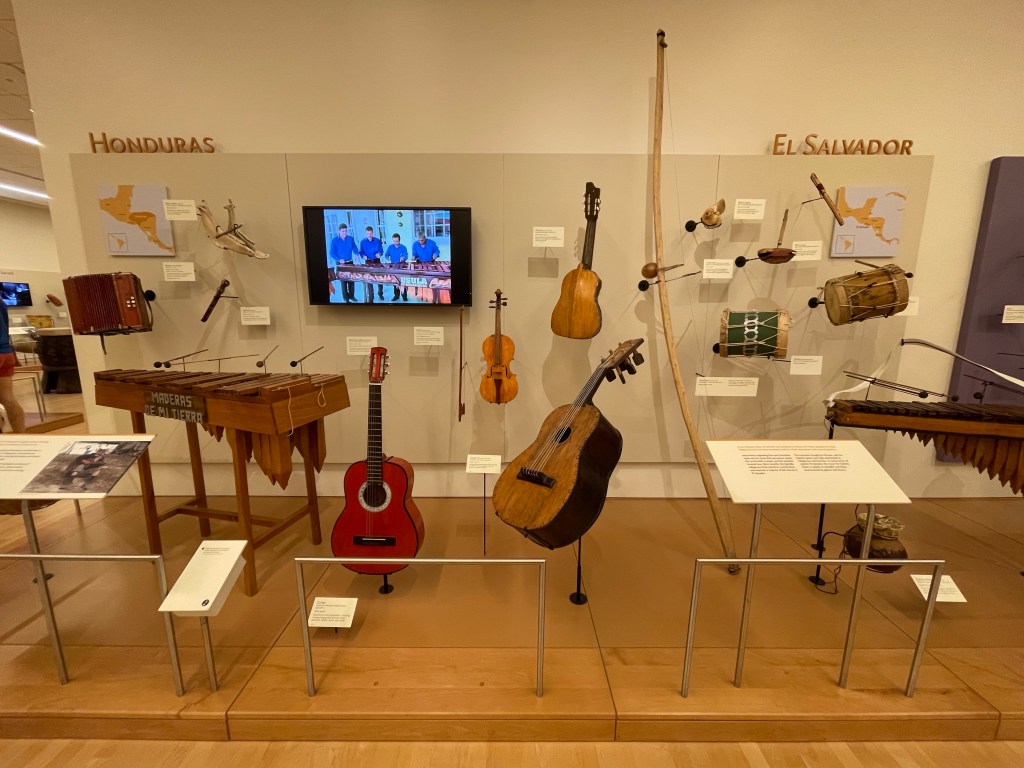
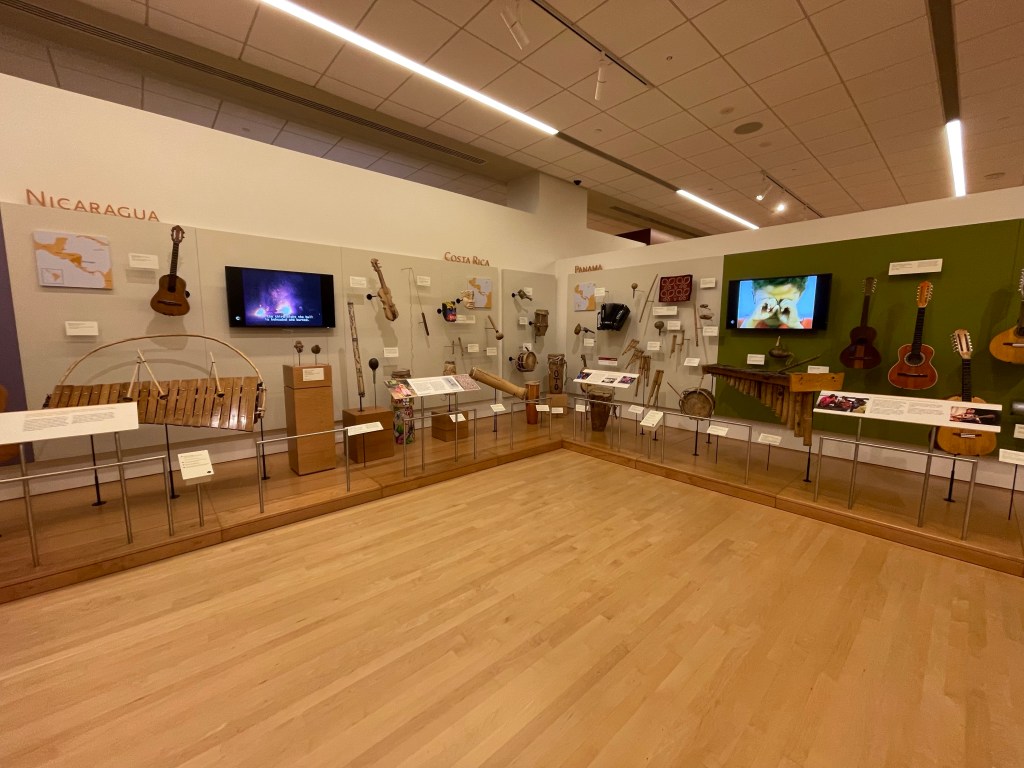
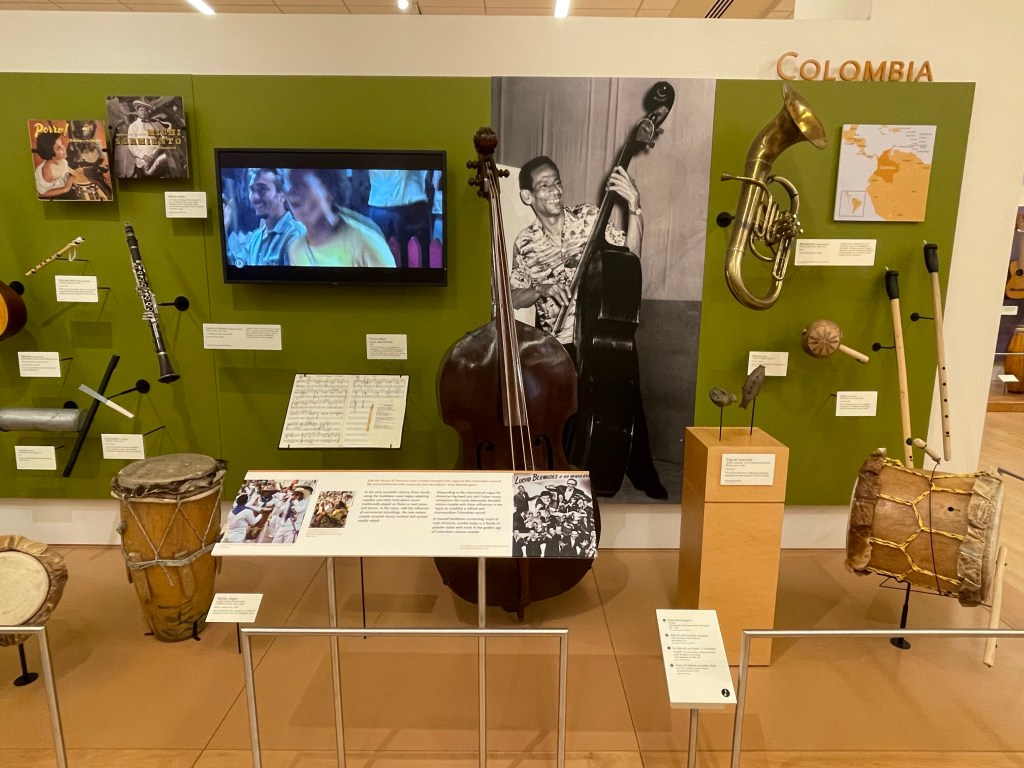
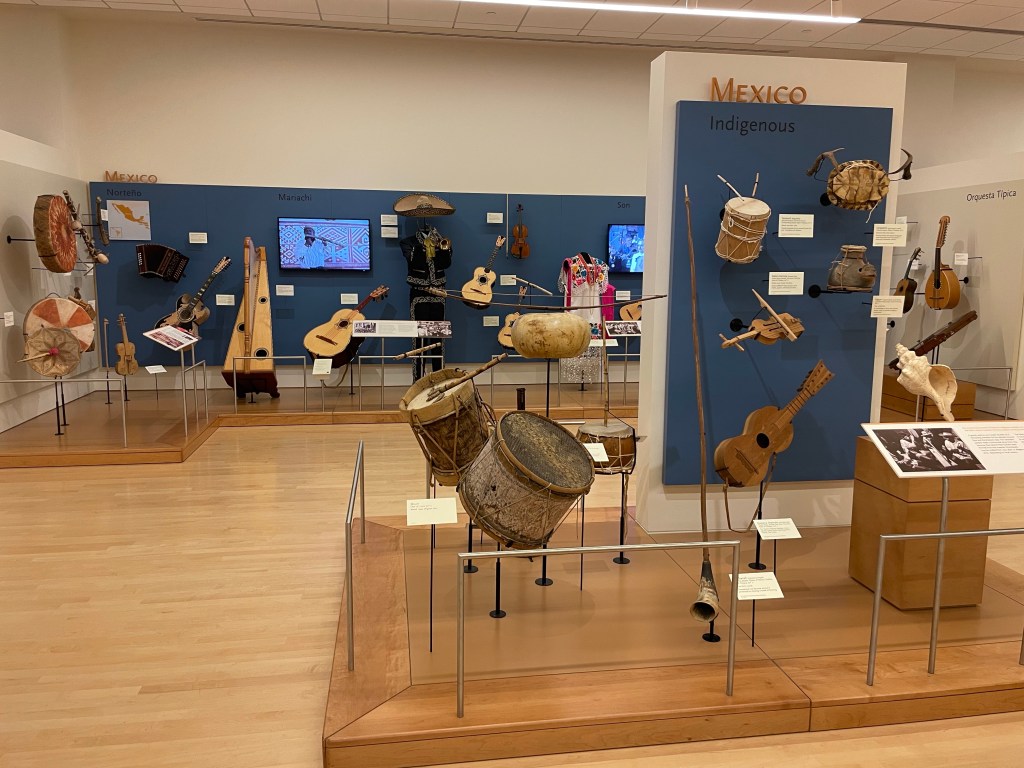


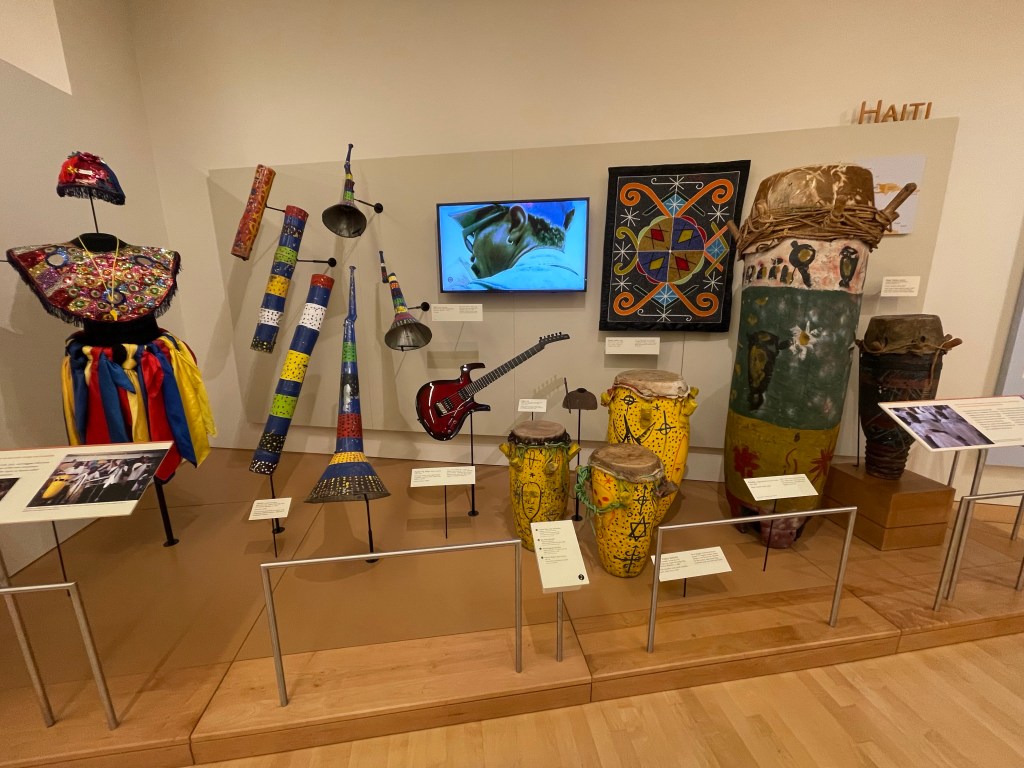
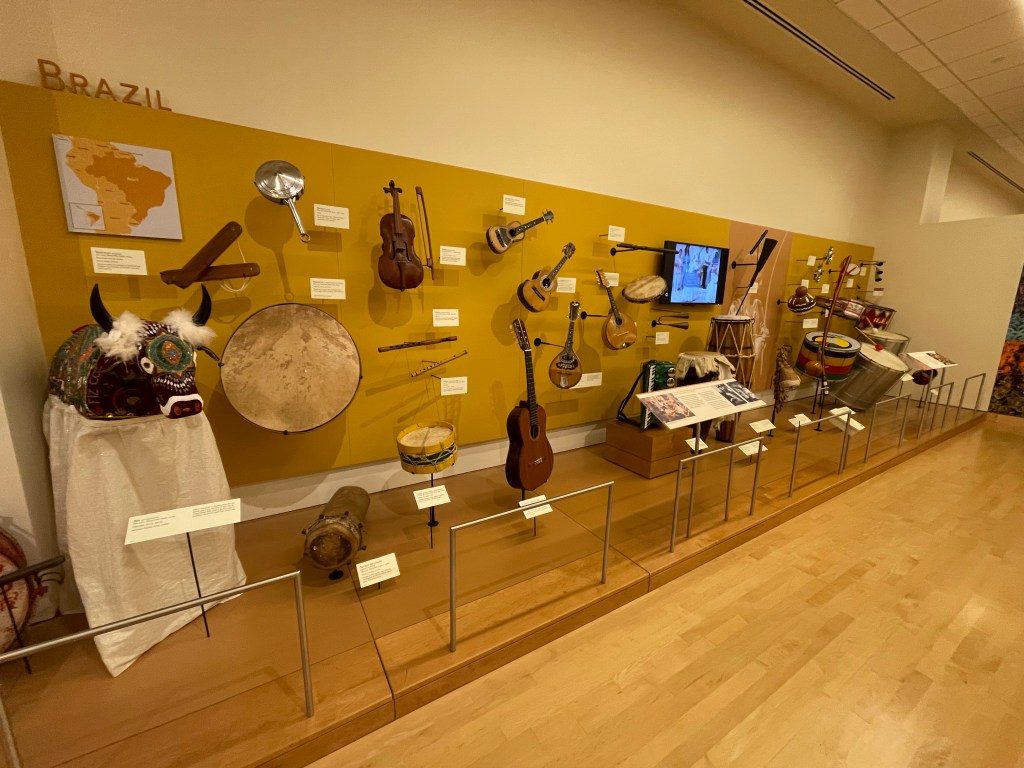

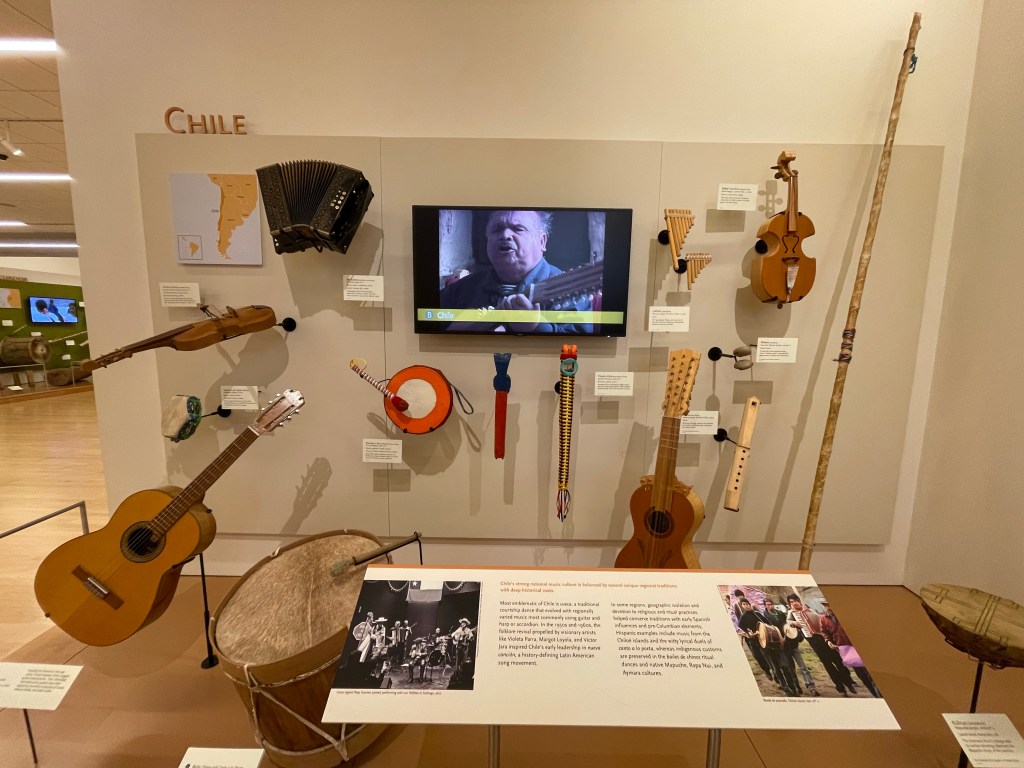
Finally, I was also glad to see this Tree of Life in the museum’s hallway, which was hand-made in my hometown in Mexico.

 Marco Serrato
Leave a comment