
Zipaquira, which is usually described as Colombia’s Salt Cathedral, is located about 600 feet underground in a former salt mine located in Zipaquirá, just outside Bogotá. I visited this place for the first time several years ago and had a chance to make a brief visit again in October 2022, while taking a group of Master’s students on a Global Field Seminar to Colombia.
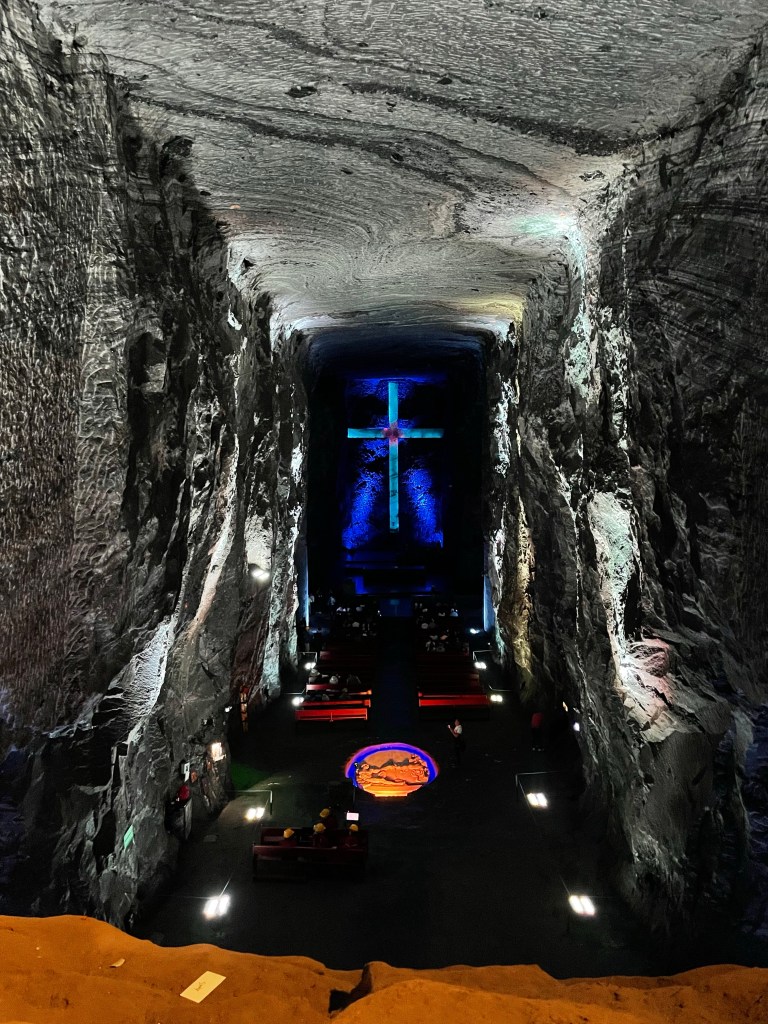
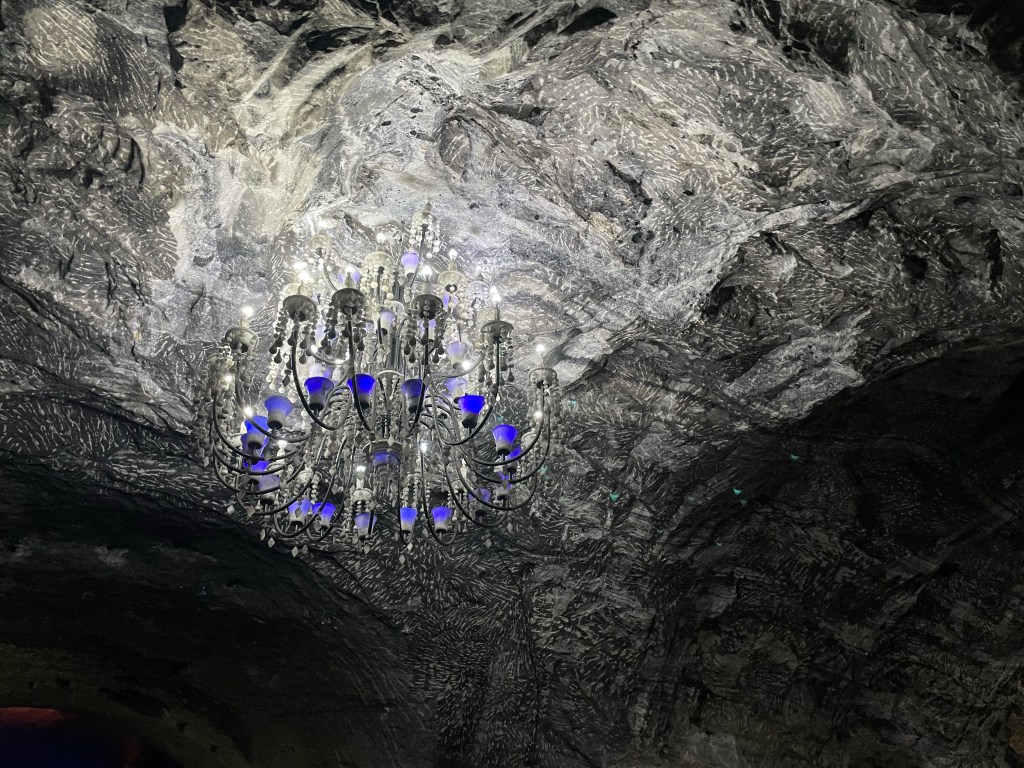
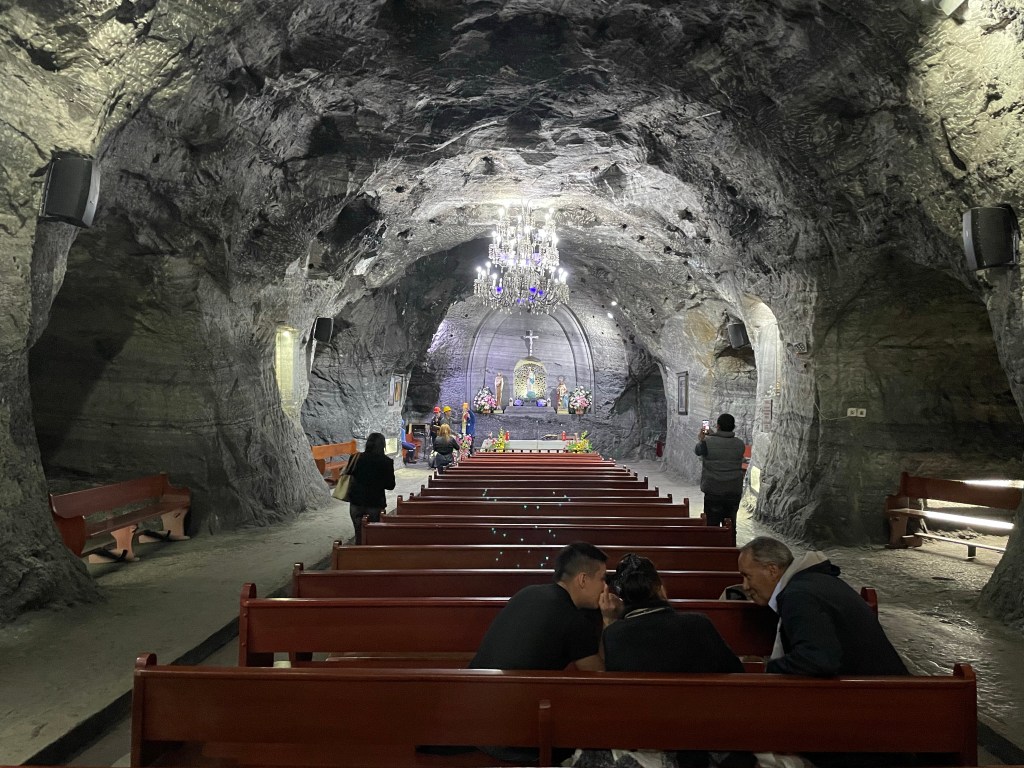
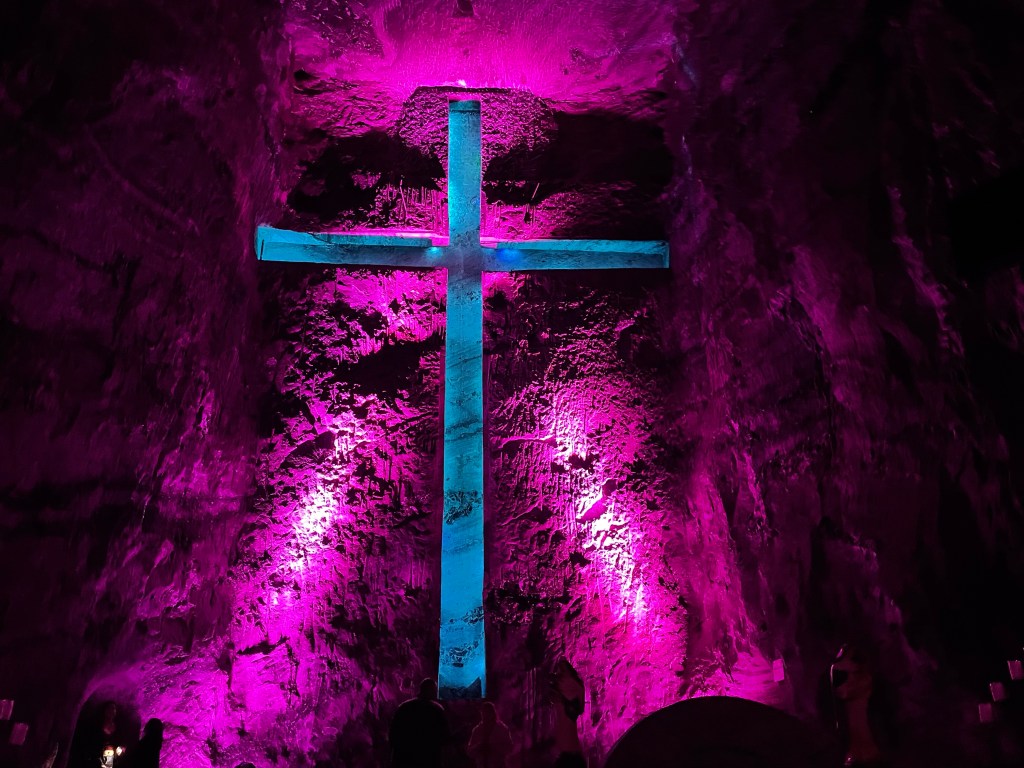
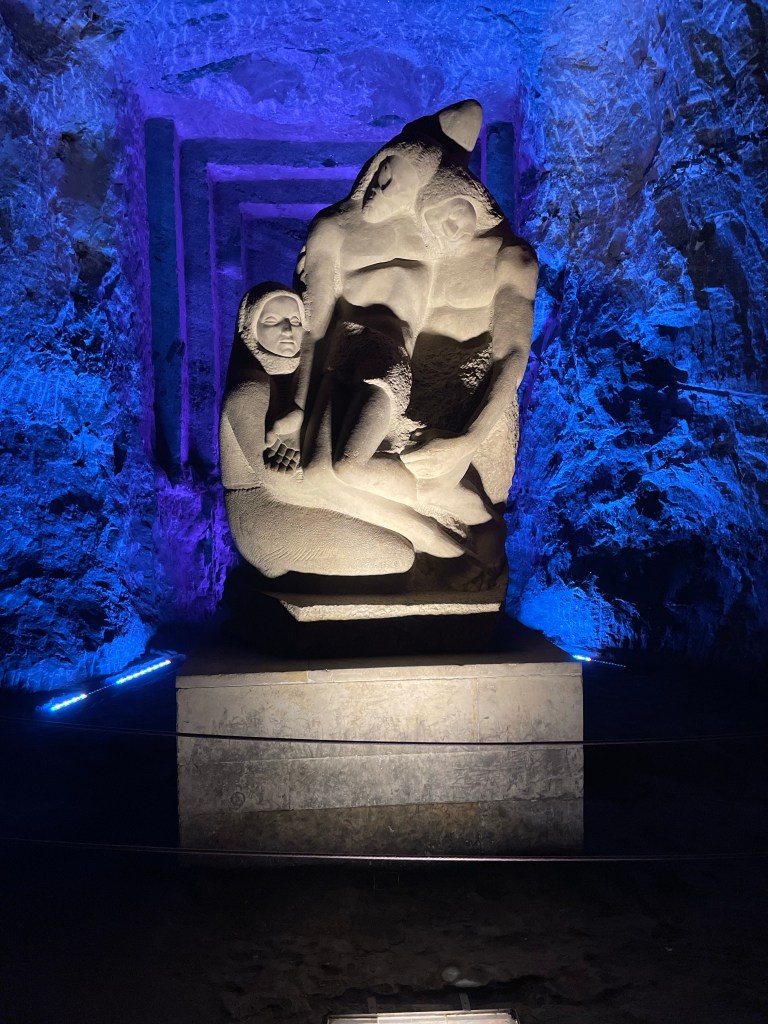
The cathedral is an architectural wonder built in the caverns and tunnels left behind by miners, who extracted millions of tons of rock salt starting two centuries ago. At the bottom, the temple opens up to reveal three naves representing the birth, life and death of Christ. There is a basilica dome, chandeliers and an enormous, floor-to-ceiling cross illuminated with purple lights.
As presented in several references, it seems that miners used to pray in a small sanctuary built inside the caverns. There, they would pray to the Virgin of the Rosary of Guasa, the patron saint of miners, to protect them from toxic gases, explosions and other accidents. That first sanctuary was built in the 1930s.
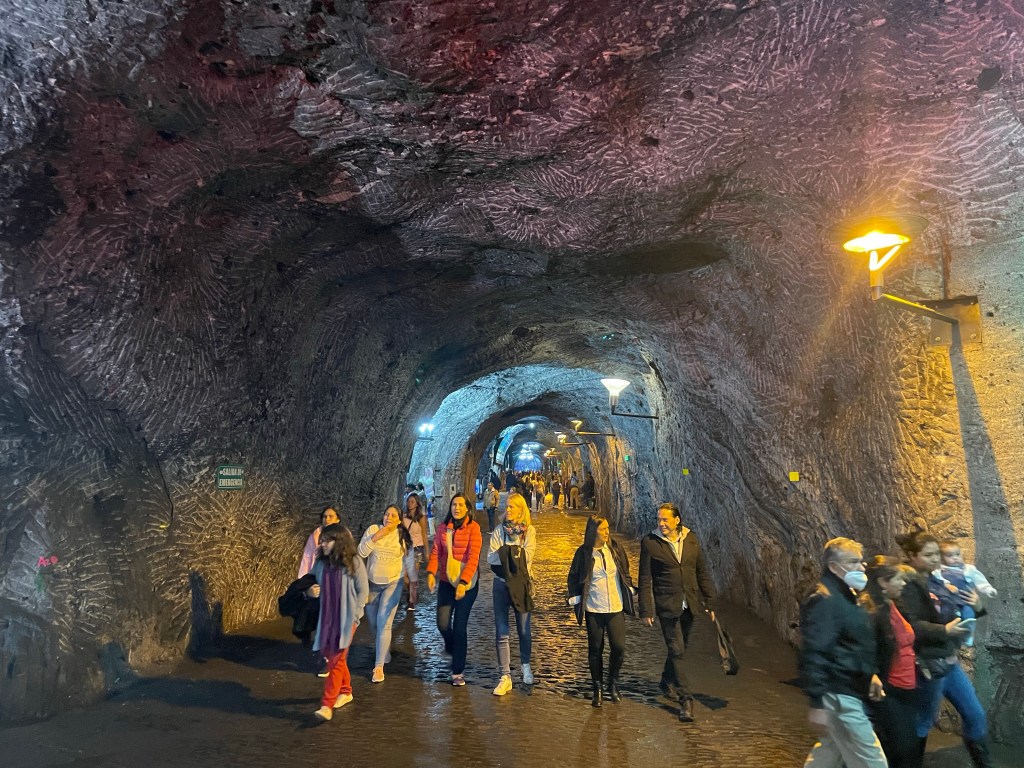
After extracting salt, the miners left in their wake a vast network of grottoes, pits and passageways. It seems most exhausted mines were simply abandoned and sealed up, but Zipaquirá’s miners and church officials — influential figures in this deeply Catholic country — persuaded the Colombian government to convert the empty spaces into a church in 1953. Structural problems forced its closure in 1990, but that was when 127 miners plus a handful of sculptors were brought in to build the current version of the cathedral — located 200 feet below the original cathedral.
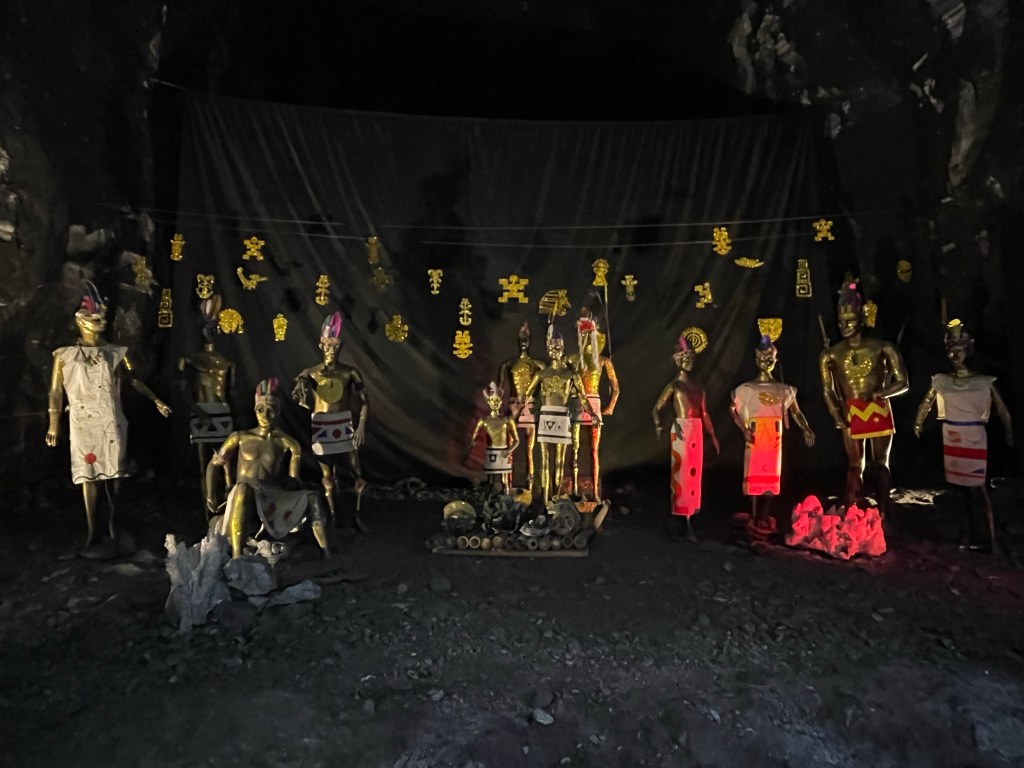
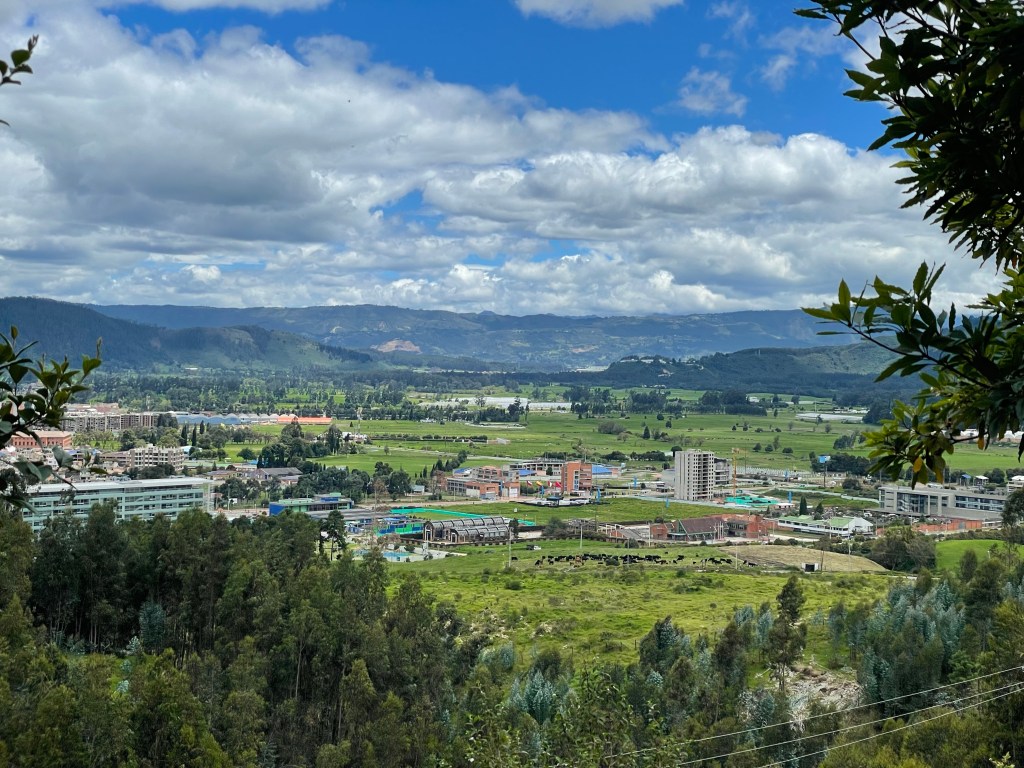
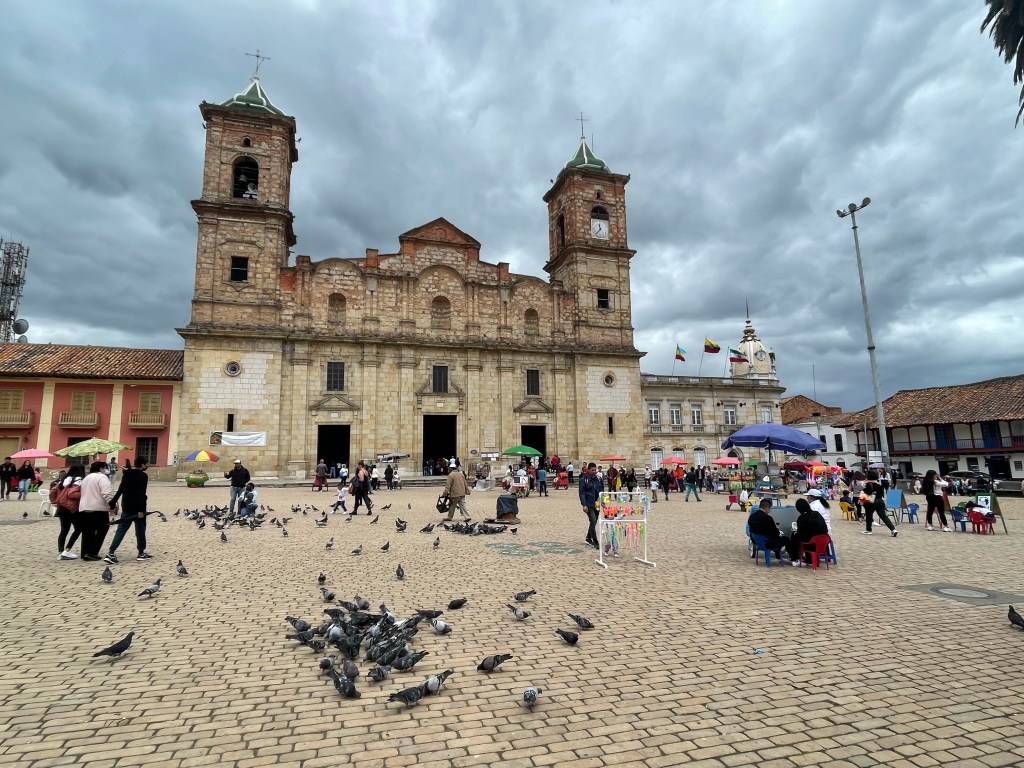
The church is also breathing new life into the local economy. Salt mining in Zipaquirá has dwindled, but now tourists and religious pilgrims flock here. These are some photos I took of both the Cathedral and the town while visiting it.





 Marco Serrato
Leave a comment